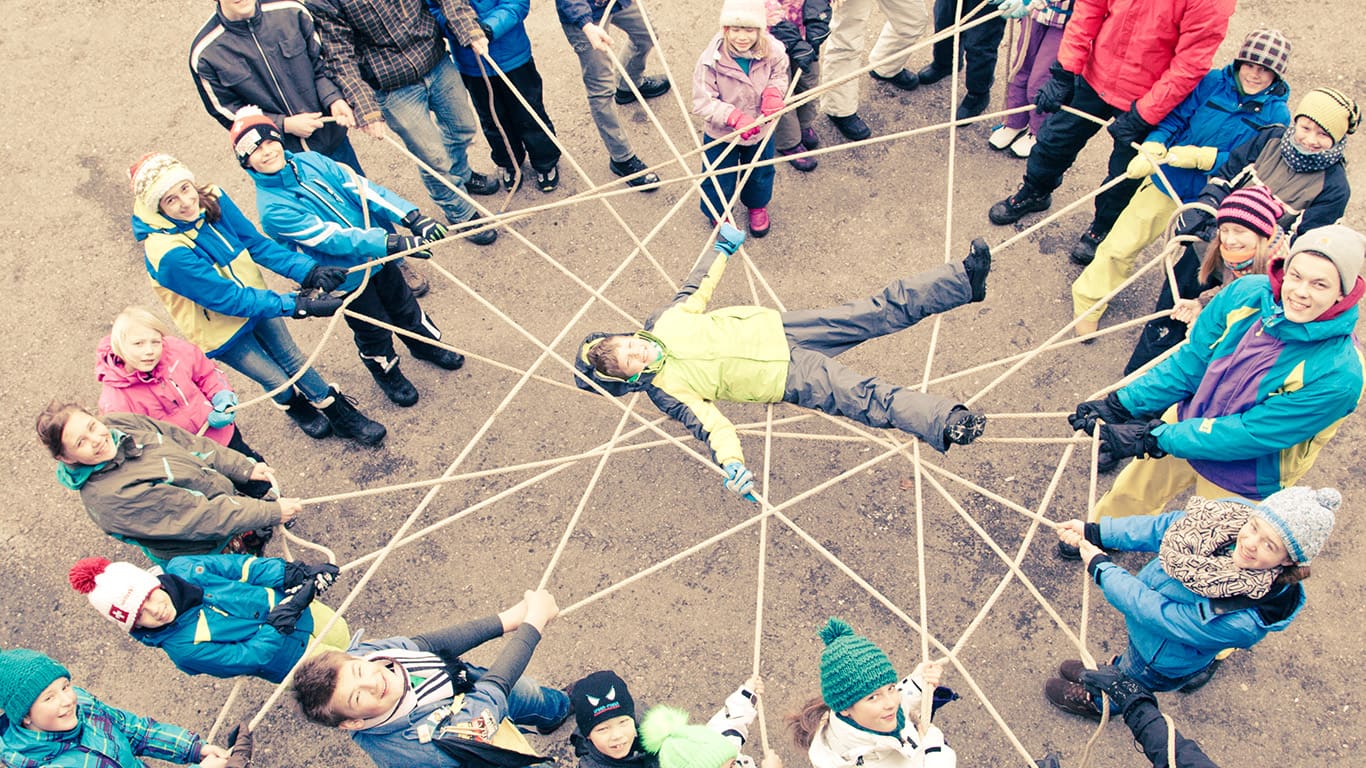

On the border between Moldova and Romania, in a small village near the Prut river, 34 participants from the Bălți region gathered to prepare for ten summer camps. They arrived with schedules, activities and ideas already in place, full of energy to get started.
I went into this training with two challenges: I was introducing a new camp training curriculum that I had only partially tested, and I was leading the training alone. The sessions themselves went well, but during the breaks I caught myself preparing the next session, thinking ahead – and wishing for a teammate to share the load and plan the next step with me.
“A healthy network does not demand identical programmes. It offers the freedom to adapt the “how” to the local culture while agreeing on a shared “why”.”
Cosmin Tamas, Managing Director YI
As we explored the foundations, structure and purpose of camp ministry through experiential education, it became clear that these leaders were already doing many things well. Whenever I asked “How do you do this?”, they had an answer ready. But when I rephrased the question to “Why do you do this?”, the room went quiet. The most common answer was simply: “Because we have always done it this way.”
Later, a camp coordinator confirmed my observation: “Many people have taught us how to run camps, but no one has encouraged us to think about why we run them.”
This conversation made the true value of belonging to a network clear. A healthy network does not demand identical programmes or methods. It offers the freedom to adapt the “how” to the local culture and context while agreeing on a shared “why”.
By the end of the training, we all came to the same conclusion: summer camps are far more than games and activities. They are places where children and young people experience community, learn responsibility and encounter God – and that is worth every hour of preparation.